Roof Installation Cost in Greater Boston, MA
Transparent Roof Installation Cost Pricing for Greater Boston, MA Homeowners — Free Estimates
Learn what roof installation costs in Greater Boston, MA. Blue Hills Roofing Solutions offers transparent pricing, free estimates & expert installs. Call (617) 712-2287.
Understanding roof installation cost in Greater Boston, MA is the first step toward protecting your home or commercial building from one of New England’s most demanding climates. Roof installation refers to the complete process of removing your existing roofing system and replacing it with new materials — from the decking and underlayment to the shingles, flashing, and ventilation components — tailored to withstand the specific conditions of the Boston metro region.
Greater Boston’s unique combination of harsh winters, coastal humidity, and century-old housing stock creates pricing factors that differ significantly from national averages. At Blue Hills Roofing Solutions, we serve homeowners and business owners across the region with transparent, detailed estimates that account for local labor rates, material availability, and the structural realities of Boston-area construction. Whether you are in a Victorian triple-decker in Somerville or a mid-century colonial in Needham, our team delivers honest pricing and expert craftsmanship. Call us today at (617) 712-2287 to schedule your free assessment.
Understanding Roof Installation Cost in Greater Boston, MA
Roof installation cost encompasses every expense associated with tearing off an existing roof system and installing a new one — labor, materials, disposal, permitting, and any necessary structural repairs discovered during the process. Nationally, homeowners pay between $5,000 and $25,000 for a full roof replacement, but Greater Boston consistently sits at the higher end of that spectrum due to regional factors that drive both material and labor costs upward.
Historically, Boston’s roofing industry developed around the dominant housing forms that shaped the city from the 1850s onward: the ubiquitous triple-decker, the Federalist row house, the Victorian Queen Anne, and the postwar ranch. Each building type presents different structural profiles, pitch angles, and access challenges that directly influence installation pricing. The triple-decker, for example — found throughout Dorchester, East Boston, Somerville, and Malden — features steep pitches, complex parapet details, and shared party walls that require specialized labor and safety equipment.
Read moreShow less
The Greater Boston housing market also includes a substantial inventory of homes built before 1940. According to U.S. Census data, Massachusetts has one of the oldest housing stocks in the nation, with many structures featuring original wood sheathing, multiple layers of accumulated roofing material, and non-standard framing dimensions. When contractors encounter these conditions, additional decking replacement, lead paint disposal protocols, and structural reinforcement add meaningful costs to the final invoice.
Modern roof installation in this market typically involves asphalt architectural shingles as the baseline product, with metal roofing, slate, and rubber membrane systems serving specialized niches. Each material carries its own price point, longevity profile, and performance characteristics relative to Greater Boston’s precipitation averages — approximately 47 inches of rain and 48 inches of snow annually — making material selection a financially significant decision for every property owner.
Understanding the full scope of what drives roof installation cost in Greater Boston, MA helps property owners evaluate contractor bids accurately, avoid underpriced proposals that signal cut corners, and invest confidently in a system that will perform through decades of New England weather.
Why Roof Installation Is Needed in Greater Boston, MA
Greater Boston’s climate is one of the primary reasons roof installation demand remains consistently high throughout the region. The Boston area experiences a humid continental climate with coastal modifications that create a uniquely aggressive weathering environment for roofing systems. Average January temperatures hover around 29°F, and the region regularly cycles through freeze-thaw events — sometimes 30 or more per winter season — that expand and contract roofing materials, loosen fasteners, compromise sealants, and accelerate shingle granule loss.
The January 2018 “bomb cyclone” — a rapidly intensifying storm that brought winds exceeding 75 mph and flooding to Boston Harbor — caused widespread roof damage across coastal neighborhoods including South Boston, East Boston, Winthrop, and Quincy’s Squantum peninsula. Many homes that sustained partial damage in that storm have since reached the end of their structural integrity timeline, requiring full replacement rather than repair. Similarly, the February 2015 snowfall series, which deposited over 110 inches of snow in Boston within a single winter, caused catastrophic ice dam formation across the region. Ice dams occur when heat escaping through inadequately insulated roofs melts snowpack, which refreezes at the cold eave overhang and forces water beneath shingles. Communities with older, less-insulated housing stock — including triple-deckers in Medford, Malden, and Lynn — suffered particularly acute damage during that period.
Read moreShow less
The soil and terrain of the Greater Boston region also contribute to roofing needs in indirect but important ways. Boston sits on a combination of bedrock, glacial till, and significant areas of engineered fill — particularly in the Back Bay, South End, and along the waterfront — where differential settlement can cause structural movement that stresses roof framing and leads to ridge sagging, rafter separation, and accelerated shingle failure. Coastal neighborhoods in Quincy, Weymouth, and Lynn experience salt air exposure that degrades metal flashing, fasteners, and certain shingle coatings at a rate roughly 30 to 40 percent faster than inland properties.
Urban heat island effects in densely developed neighborhoods like Brookline, Newton Centre, and downtown Boston create elevated surface temperatures on south- and west-facing roof planes, causing asphalt shingles to reach surface temperatures exceeding 150°F in summer. This thermal cycling accelerates the oxidation of asphalt binders, making shingles brittle and crack-prone well before their rated lifespan. In neighborhoods with heavy tree canopy — including sections of Dedham, Canton, and Wellesley — organic debris accumulates in valleys and gutters, retaining moisture that promotes algae and moss growth, deteriorates underlayment, and shortens the effective life of roofing systems by five to ten years.
Combined, these climate, geological, coastal, and urban factors make Greater Boston one of the most demanding environments for roofing systems in the northeastern United States — and a primary driver of consistent demand for professional roof installation services throughout the region.
Free, no-obligation estimates
Talk to Blue Hills Roofing Solutions
Tell us what you need and we’ll take it from there.
Signs You Need Roof Installation in Greater Boston
Visible Exterior Symptoms
- Shingles that are curling, cupping, buckling, or missing entirely — particularly common after severe winters like 2015 and 2018
- Widespread granule loss visible in gutters or at downspout discharge points, leaving shingles with a smooth, gray appearance
- Sagging or uneven ridge lines indicating structural rafter or decking failure beneath the surface
- Visible daylight through roof boards when viewed from the attic
- Rusted, lifted, or separated metal flashing at chimneys, skylights, dormers, and wall intersections
Interior Warning Signs
- Water stains on attic sheathing, ceiling drywall, or top-floor walls — often first appearing in corners and around light fixtures
- Mold or mildew odor in attic spaces, especially following wet spring seasons typical to the Boston area
- Frost accumulation on attic rafters in winter, indicating inadequate ventilation and insulation
Age and History Indicators
- Roofing system is 20 years or older — the typical effective lifespan of three-tab asphalt shingles in this climate
- Multiple past repairs covering more than 30 percent of the total roof surface
- Two or more existing layers of shingles already present, which is the maximum permitted by Massachusetts building code before full tear-off is required
Urgency Indicators
Active leaking during rain events, structural sagging visible from ground level, and widespread shingle loss require immediate professional assessment. Contact Blue Hills Roofing Solutions at (617) 712-2287 for emergency evaluation.
Our process
Our Roof Installation Process in Greater Boston
- 01
Free On-Site Assessment (Day 1 — 1 to 2 Hours)
Our estimator visits your property to evaluate roof condition, measure square footage, assess pitch complexity, inspect attic ventilation, and identify any structural concerns. For Greater Boston properties, we pay particular attention to ice dam damage patter
- 02
Detailed Written Estimate (Within 48 Hours)
You receive a fully itemized proposal specifying material brand and grade, labor breakdown, disposal fees, permit costs, and projected timeline. We never provide vague lump-sum bids — Greater Boston homeowners deserve transparency.
- 03
Permitting (3 to 7 Business Days)
We pull all required building permits from the applicable municipality — whether Boston ISD, the Town of Brookline, City of Quincy, or another local jurisdiction — ensuring full code compliance with Massachusetts State Building Code 780 CMR.
- 04
Material Delivery and Site Preparation (Day Before Installation)
Materials are delivered and staged. We protect landscaping, driveways, and siding with tarps and magnet sweeps to capture fallen fasteners — critical in densely built neighborhoods where properties sit close together.
- 05
Tear-Off and Decking Inspection (Installation Day 1 — 4 to 8 Hours)
Existing shingles, underlayment, and damaged decking are removed. All sheathing is inspected and any deteriorated boards — frequently found in homes built before World War II — are replaced with code-compliant OSB or plywood.
- 06
New Roofing System Installation (1 to 3 Days Depending on Complexity)
Installation proceeds with ice and water shield barrier applied at all eaves (minimum 24 inches past the interior wall line per Massachusetts code), synthetic underlayment over the field, new drip edge, and starter strip. Shingles, flashing, ridge cap, and ven
- 07
Final Inspection and Cleanup (Final Day — 2 to 4 Hours)
We conduct a thorough walkthrough with the homeowner, perform a magnetic sweep of all surrounding areas, and schedule the municipal final inspection. You receive all warranty documentation and permit sign-off paperwork.
Roof Installation Methods and Approaches We Use
Architectural Asphalt Shingle Installation
The most common approach for Greater Boston residential properties, architectural shingles offer a 30-year rated lifespan with impact-resistant options (Class 4 rated) that perform well against the hail events the region averages two to three times annually. Best suited for pitched roofs between 4:12 and 12:12 slope, which encompasses the majority of single-family homes in Newton, Dedham, Braintree, and Canton.
Learn moreStanding Seam Metal Roofing
Increasingly popular in coastal communities like Quincy, Weymouth, and Lynn where salt air accelerates shingle degradation. Standing seam metal systems offer 50-plus-year lifespans, superior wind resistance rated to 140 mph, and exceptional performance in snow shedding — eliminating ice dam risk on properly insulated buildings.
Learn moreRubber (EPDM) Membrane Roofing
The standard solution for low-slope and flat roof sections common on Boston triple-deckers, commercial buildings in Malden and Somerville, and rear addition roofs throughout Watertown and Waltham. EPDM systems installed at 60-mil thickness provide reliable waterproofing across Greater Boston’s wide annual temperature range (-10°F to 95°F).
Natural Slate and Synthetic Slate
Historic districts in Brookline, Newton, and Back Bay Boston frequently require slate-compatible roofing to satisfy local historic preservation guidelines. We install both genuine Vermont quarried slate and high-quality synthetic slate products that replicate the aesthetic while reducing structural load on older buildings.
TPO and Modified Bitumen Commercial Systems
For commercial flat roofs in Medford, Norwood, and Waltham business parks, thermoplastic polyolefin (TPO) and modified bitumen systems provide energy-efficient, durable solutions compliant with Massachusetts commercial energy code.
Roof Installation Cost in Greater Boston, MA — What to Expect
Roof installation cost in Greater Boston, MA ranges from approximately $8,500 to $28,000 or more for a typical single-family residential project, with most homeowners investing between $12,000 and $18,000 for a standard architectural shingle replacement on a 1,500 to 2,500 square foot home. These figures reflect the regional cost premium of 15 to 25 percent above national averages driven by Boston-area labor rates and material logistics.
Key Cost Factors
- Roof size: Priced per roofing square (100 sq ft); Greater Boston averages $350 to $700 per square installed for architectural shingles
- Pitch complexity: Steep roofs above 8:12 pitch require safety equipment surcharges of $500 to $2,500
- Material type: Asphalt $350–$550/sq, metal $700–$1,400/sq, slate $1,000–$2,500/sq, EPDM $400–$650/sq
- Decking replacement: $75 to $100 per sheet of plywood — budget-impacting in pre-1940 homes common throughout Malden, Somerville, and Lynn
- Permitting fees: $150 to $600 depending on municipality — Boston proper and Brookline tend toward higher fee schedules
- Disposal: $500 to $1,200 for full tear-off debris, higher for multiple existing layers
- Chimney flashing: $300 to $900 for lead-free code-compliant flashing replacement required in many Greater Boston historic homes
Get a Free Roofing Estimate or call (617) 712-2287 for a no-obligation on-site assessment.
Neighborhoods and Communities We Serve in Greater Boston
Quincy and Braintree
These South Shore communities feature a mix of mid-century colonials and ranches (1950s–1970s) alongside coastal properties near Wollaston Beach and Squantum. Salt air exposure and frost heave from glacial till soils create accelerated flashing corrosion and fascia deterioration that require upgraded coastal-rated materials.
Somerville and Medford
Dense urban neighborhoods dominated by pre-1930 triple-deckers and two-families. Steep pitches, shared walls, complex valley configurations, and limited staging space are the defining installation challenges here. Permits through the City of Somerville and City of Medford require careful scheduling.
Newton and Brookline
Affluent inner suburbs with significant Victorian, Craftsman, and Colonial Revival housing stock from the 1880s through 1930s. Local historic district requirements in portions of Brookline and Newton Highlands may restrict material choices. Premium slate and architectural shingle installations are frequent here.
Lynn and Malden
Working-class communities north of Boston with large inventories of aging housing stock, many of which still have original wood shingle substrates beneath multiple layers of accumulated roofing. Budget-conscious full replacement with comprehensive decking upgrades is the most common project profile in these areas.
View All Greater Boston Service Areas
Roof Maintenance Tips for Greater Boston Homeowners
Extending the life of your new roof in Greater Boston’s demanding climate requires proactive seasonal maintenance:
- Clean gutters twice annually — in late November after leaf fall and again in early April to clear winter debris. Blocked gutters are the leading cause of ice dam formation across the region.
- Inspect attic insulation and ventilation each fall — maintaining an R-49 to R-60 insulation value and balanced soffit-to-ridge ventilation prevents the heat loss that triggers ice dams during January and February cold snaps.
- Remove heavy snow accumulation — use a roof rake to pull snow from the bottom 3 to 4 feet of eaves after storms exceeding 6 inches, particularly important given Greater Boston’s average of 48 inches of annual snowfall.
- Inspect flashing at chimneys and skylights each spring — Greater Boston’s freeze-thaw cycles (averaging 30-plus per winter) loosen mortar and sealants annually.
- Trim overhanging tree limbs — branches within 10 feet of the roof surface deposit debris, retain moisture, and can cause impact damage during nor’easters common October through April.
- Schedule professional inspections every two to three years — Learn About Our Roof Inspection Services to catch early-stage deterioration before it becomes a replacement event.
- Address moss and algae treatment promptly — algae-resistant shingles and zinc strip installation at the ridge are cost-effective preventatives for shaded roofs in wooded communities like Canton and Dedham.
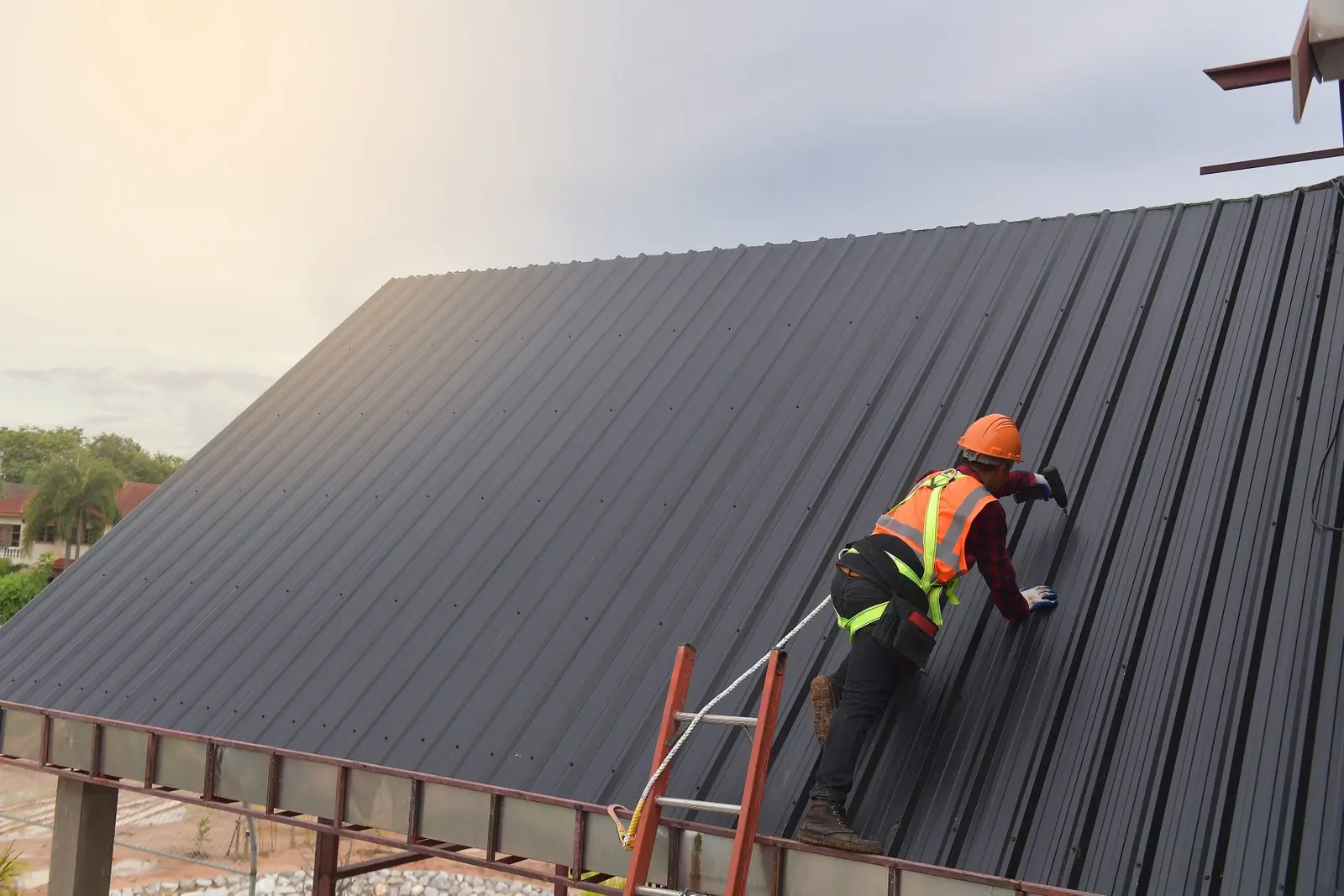
Why Choose Blue Hills Roofing Solutions in Greater Boston
Blue Hills Roofing Solutions is a Greater Boston roofing company built specifically for the demands of this region. Our team has hands-on experience with the full range of building types found across the metro area — from historic pre-war triple-deckers in Somerville and Malden to mid-century colonials in Braintree and Randolph to commercial flat-roof structures throughout Waltham and Norwood.
We understand the permit requirements of every municipality we serve, the historic district guidelines that affect neighborhoods in Brookline and Newton, and the coastal material specifications required for properties near Boston Harbor and the South Shore. Every project is managed with full transparency — detailed written estimates, no surprise change orders, and clear communication from assessment through final inspection.
Read moreShow less
Our services span the complete roofing lifecycle: Roof Repair, Roof Replacement, Roof Inspection, Roof Maintenance, Commercial Roofing, and Emergency Roofing Services. When Greater Boston weather creates an urgent situation, we respond.
Call (617) 712-2287 to speak with a local roofing expert today.
FAQ
Frequently Asked Questions — Roof Installation Cost in Greater Boston, MA
What is the average cost of a full roof installation in Greater Boston?
Most Greater Boston homeowners pay between $12,000 and $18,000 for a standard architectural shingle installation on a typical 1,500 to 2,500 square foot home. Larger homes, steeper pitches, premium materials like metal or slate, or significant decking damage can push costs toward $25,000 or higher. Boston-area labor rates run 15 to 25 percent above the national average, which is the primary driver of this regional premium.
How long does a roof installation take in Greater Boston?
A standard single-family residential replacement typically takes one to three days of active installation, plus three to seven business days for permitting beforehand. Larger or more complex projects — steeply pitched roofs, slate installations, commercial membrane systems — may require five to ten installation days. Weather windows in Greater Boston mean we schedule carefully around forecast nor’easters and rain events.
Do I need a permit for roof installation in Boston or surrounding towns?
Yes. All municipalities in Greater Boston — including the City of Boston, Quincy, Brookline, Newton, Somerville, and others — require a building permit for full roof replacement. Blue Hills Roofing Solutions pulls all required permits on your behalf as part of every project. Unpermitted roofing work can create issues with home insurance claims and property resale.
What roofing material is best for Greater Boston’s climate?
For most residential properties, Class 4 impact-resistant architectural asphalt shingles offer the best balance of cost, performance, and longevity in this climate. Coastal properties within two miles of Boston Harbor, Quincy Bay, or the Lynn waterfront benefit from metal roofing due to salt air resistance. Historic homes in Brookline or Newton may require slate-compatible products to comply with local guidelines.
How do I know if I need full replacement versus repair?
If your roof is over 20 years old, has two existing shingle layers, shows widespread granule loss affecting more than 30 percent of the surface, or has sustained structural damage to decking or rafters, full replacement is almost always the more cost-effective long-term decision. Localized damage — a section of missing shingles, isolated flashing failure — may be repairable. Our free assessment provides a clear, honest recommendation. Learn More About Roof Repair Options.
Will a new roof help with ice dams?
A new roof installation paired with proper attic insulation upgrades (R-49 to R-60) and balanced ventilation dramatically reduces ice dam risk. Ice dams are caused by heat escaping through poorly insulated roofs, not by the roofing material itself — but adding ice and water shield membrane at eaves (required by Massachusetts code) provides a critical secondary barrier. We assess your attic conditions as part of every installation project.
Does Blue Hills Roofing Solutions serve my neighborhood?
We serve the full Greater Boston metro area including Milton, Quincy, Boston, Braintree, Randolph, Dedham, Canton, Brookline, Weymouth, Needham, Norwood, Medford, Newton, Waltham, Wellesley, Watertown, Malden, Somerville, and Lynn. See Our Full Service Area Map.
How do I get a roof installation estimate from Blue Hills Roofing Solutions?
Call us directly at (617) 712-2287 or submit a request through our website. We schedule on-site assessments typically within 48 to 72 hours and deliver a fully itemized written estimate within two business days of the visit. There is no charge and no obligation for the initial assessment.
Get an Honest Roof Installation Estimate in Greater Boston Today
If you are ready to understand the true cost of roof installation for your Greater Boston property — with no pressure, no vague numbers, and no surprises — Blue Hills Roofing Solutions is ready to help. Our team serves homeowners and business owners across Milton, Quincy, Boston, Braintree, Randolph, Dedham, Canton, Brookline, Weymouth, Needham, Norwood, Medford, Newton, Waltham, Wellesley, Watertown, Malden, Somerville, Lynn, and the surrounding Greater Boston area.
Call (617) 712-2287 to speak with a roofing specialist, or request your free on-site estimate online. Protect your home with a team that knows Greater Boston roofing inside and out.
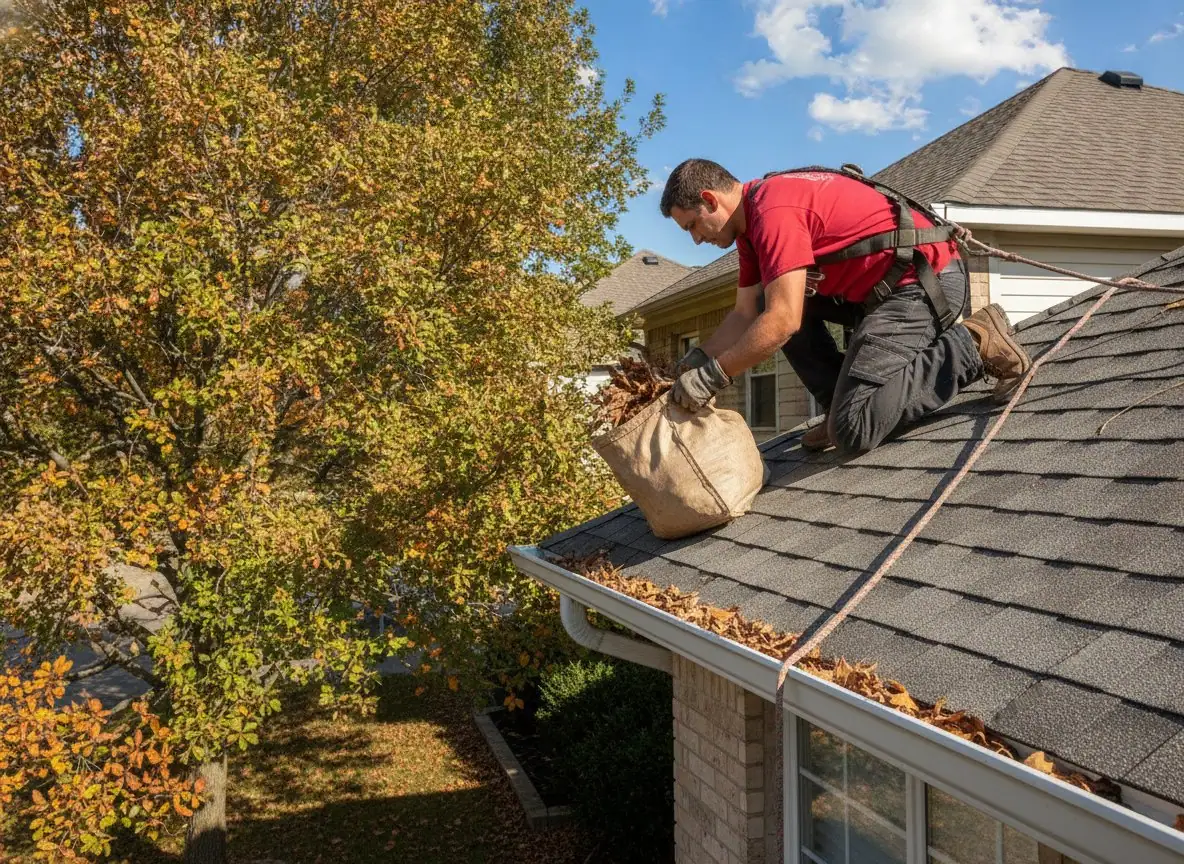
Get in touch
Find roofing help near you
Request a free estimate online or give us a call — our team will follow up quickly.
- Call us(617) 712-2287
- Visit2 Granite Ave Ste 512, Milton, MA 02186
- HoursMon-Sun 7am-7pm