
TPO (Thermoplastic Polyolefin) roof installation is a high-performance flat and low-slope roofing solution trusted by commercial property owners and building managers across Greater Boston, MA. This single-ply membrane system delivers superior energy efficiency, reflectivity, and weather resistance — qualities especially valuable in a region defined by brutal winters, heavy snowfall, and punishing freeze-thaw cycles.
At Blue Hills Roofing Solutions, we specialize in professional TPO roof installation tailored to the specific demands of Greater Boston’s climate, building stock, and local building codes. Whether you manage a flat-roofed commercial building in Downtown Boston, a multi-family property in Quincy, or an industrial facility in Waltham, our team brings deep regional knowledge and precision craftsmanship to every project. From initial assessment through final membrane sealing, we install TPO roofing systems designed to last decades and protect your investment through New England’s most challenging seasons. Call us at (617) 712-2287 to schedule your consultation.
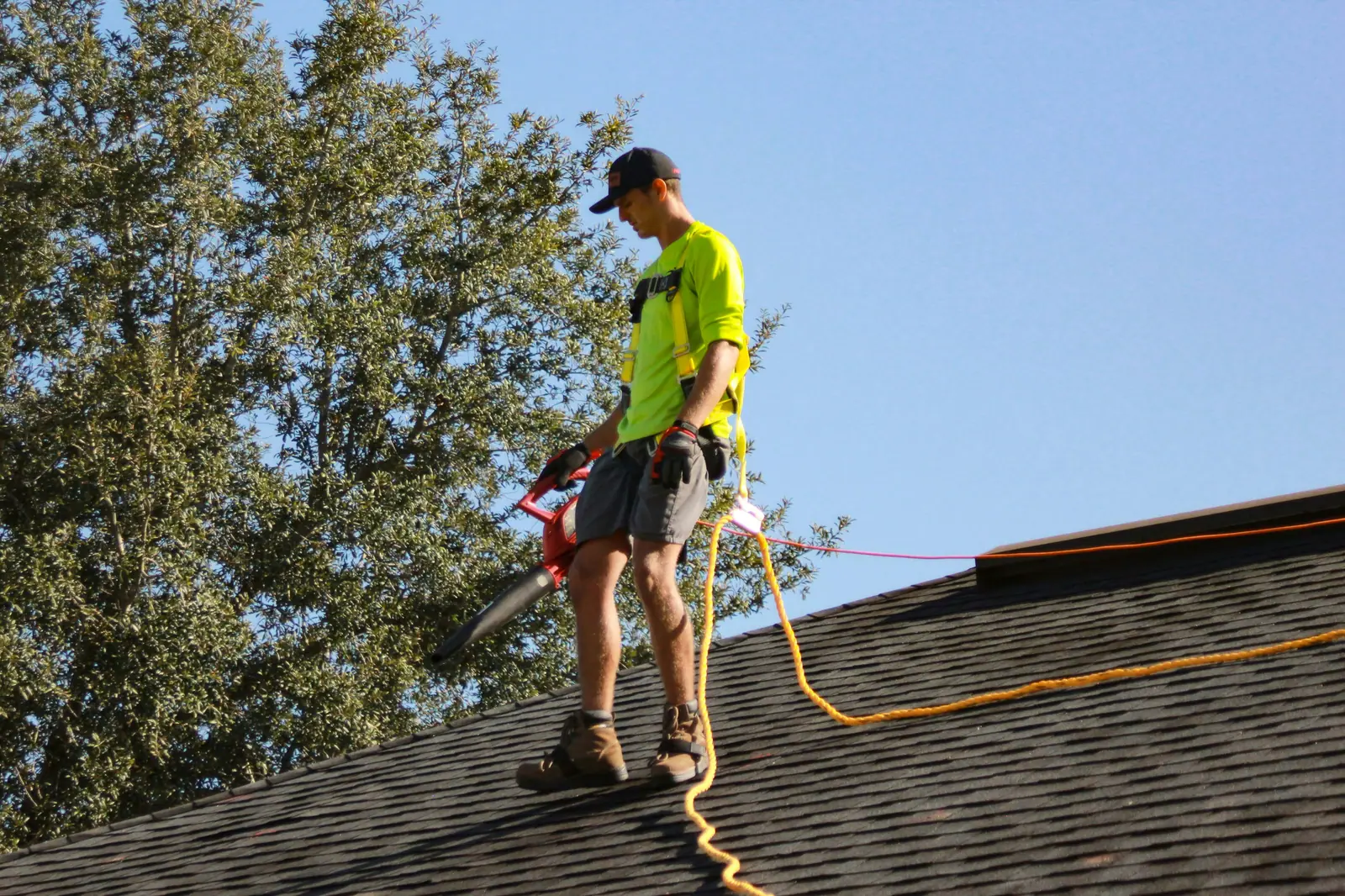
Understanding TPO Roof Installation
TPO roofing is a single-ply membrane roofing system composed of thermoplastic polyolefin polymers — typically a blend of polypropylene and ethylene-propylene rubber. First introduced to the commercial roofing market in the early 1990s, TPO quickly gained widespread adoption due to its combination of affordability, durability, and energy efficiency that traditional built-up roofing (BUR) and modified bitumen systems struggled to match.
The installation process involves rolling out large sheets of TPO membrane — typically available in 45-mil, 60-mil, or 80-mil thicknesses — across a prepared roofing substrate, then heat-welding the seams together using hot-air welding equipment. This creates watertight, continuous bonds that are actually stronger than the membrane material itself. The system can be installed using three primary methods: fully adhered, mechanically fastened, or ballasted, each suited to different building types and structural conditions.
Read moreShow less
In Greater Boston, TPO has become the dominant choice for flat and low-slope commercial roofing. The region’s dense urban core includes thousands of commercial buildings, multi-family residential structures, and institutional facilities — many of which feature flat or near-flat roof designs constructed during the post-WWII building boom of the 1950s and 1960s. Buildings in neighborhoods like the Seaport District, Allston-Brighton, and Medford’s industrial corridors frequently feature aging roofs that are prime candidates for modern TPO replacement.
Energy efficiency is a particularly compelling reason for TPO’s popularity in Massachusetts. White and light-gray TPO membranes reflect up to 80% of solar radiation, helping buildings comply with Massachusetts’s stretch energy code and ENERGY STAR requirements. For building owners in Boston, Cambridge, and Newton — where energy costs consistently rank among the highest in the nation — this translates to measurable annual savings on cooling loads. TPO is also resistant to UV radiation, chemical exposure, and puncture damage, making it well-suited to rooftops that double as mechanical equipment platforms or green roof preparations.
Signs You Need TPO Roof Installation in Greater Boston
Visual Warning Signs
- Visible membrane blistering, bubbling, or surface cracking across flat roof sections
- Seam separation or open laps where membrane sheets have pulled apart
- Ponding water that remains standing more than 48 hours after rainfall
- Discoloration, staining, or dark patches indicating prolonged moisture retention
- Deteriorated or missing flashing at parapet walls, HVAC curbs, or penetrations
Interior Warning Signs
- Water stains on ceiling tiles or drywall directly below roof deck areas
- Mold or mildew odors in top-floor spaces or mechanical rooms
- Sagging ceiling panels, which may indicate saturated insulation beneath the membrane
Performance and Age Indicators
- Existing roof system is 15–20+ years old and has never been replaced
- Significantly rising energy bills that may indicate failed roof insulation
- Multiple repair visits in a single season without lasting resolution
- Post-inspection reports noting widespread membrane degradation
Urgency Note: If you observe active interior leaking or visible membrane tears following a New England nor’easter or ice dam event, contact Blue Hills Roofing Solutions immediately at (617) 712-2287 for emergency service.
Free, no-obligation estimates
Talk to Blue Hills Roofing Solutions
Tell us what you need and we’ll take it from there.
Our process
Our TPO Roof Installation Process in Greater Boston
Blue Hills Roofing Solutions follows a structured, transparent installation process designed to deliver maximum performance while minimizing disruption to your operations.
- 01
Comprehensive Roof Assessment (1–2 Days)
Our certified inspectors conduct a thorough evaluation of your existing roof system, including core sampling to assess insulation saturation, infrared thermography to map moisture infiltration, and structural deck evaluation. We document all findings against M
- 02
Custom System Design and Proposal (2–5 Days)
Based on assessment findings, we design a TPO system specifying membrane thickness (typically 60-mil or 80-mil for Greater Boston’s climate demands), insulation R-value compliant with Massachusetts energy code, and attachment method suited to your building’s s
- 03
Permitting and Scheduling (1–2 Weeks)
We handle all necessary roofing permits with the relevant city or town building department — whether that’s Boston Inspectional Services, Quincy Building Department, or Newton’s Building Inspection Division — coordinating schedules around Greater Boston’s unpr
- 04
Tear-Off and Deck Preparation (1–3 Days)
Existing roofing materials are removed and disposed of per Massachusetts DEP waste regulations. The structural deck is inspected, repaired where necessary, and prepared to receive new insulation and membrane. Decks in older buildings — particularly pre-1970 Bo
- 05
Insulation Installation (1–2 Days)
Polyisocyanurate (polyiso) insulation boards are installed in staggered layers to achieve required R-values, typically R-30 or higher for commercial roofing in Massachusetts’s Climate Zone 5A.
- 06
TPO Membrane Installation and Heat Welding (2–5 Days)
TPO membrane rolls are deployed, positioned, and heat-welded at all seams using calibrated hot-air welding equipment. Seam widths are maintained at a minimum of 1.5 inches per NRCA standards. All penetrations, parapet walls, and flashings receive detailed term
- 07
Final Inspection and Walkthrough (1 Day)
A comprehensive post-installation inspection — including seam probe testing — confirms system integrity before project sign-off and documentation delivery.
TPO Installation Methods and Approaches
Mechanically Fastened TPO
The most common method for Greater Boston commercial buildings, mechanically fastened TPO uses heavy-gauge screws and plates to anchor the membrane and insulation to the structural deck. This method is ideal for steel and wood deck buildings — including the many mid-century warehouses and commercial blocks found in Waltham, Malden, and Norwood — where maximum wind uplift resistance is a priority without adding excessive weight.
Fully Adhered TPO
In fully adhered systems, the membrane is bonded directly to the insulation substrate using bonding adhesives or self-adhering membrane products. This approach provides the smoothest membrane surface and is preferred for buildings with curved or irregular roof planes. It is commonly specified for institutional buildings in Newton, Brookline, and Needham where aesthetics and low-profile performance matter.
Ballasted TPO
Ballasted systems use washed river stone or pavers to hold the membrane in place without penetrating fasteners. While cost-effective, this method is suitable only for buildings with structural decks capable of supporting approximately 10–12 psf of ballast weight. It is increasingly used as a base layer beneath Boston-area rooftop garden installations and green roof systems.
Hybrid and Re-Cover Systems
In cases where the existing substrate is sound but the surface membrane has degraded, a TPO re-cover system can be installed over the existing roofing without full tear-off. This approach reduces labor costs and construction waste, and is particularly applicable to Somerville and Cambridge triple-deckers and low-slope commercial properties with structurally intact decks.
TPO Roof Installation Cost in Greater Boston, MA
Understanding the cost of TPO roof installation helps Greater Boston property owners budget accurately and evaluate proposals with confidence.
Typical Cost Ranges
- Basic mechanically fastened TPO (45-mil): $6.00–$8.50 per square foot installed
- Standard commercial TPO (60-mil, fully adhered): $8.50–$12.00 per square foot installed
- Premium 80-mil TPO with enhanced insulation: $12.00–$16.00 per square foot installed
- Typical small commercial project (3,000–5,000 sq ft): $20,000–$55,000
- Large commercial project (10,000–25,000 sq ft): $75,000–$200,000+
Key Cost Factors in Greater Boston
- Tear-off complexity: Removing multiple layers of legacy built-up roofing common in pre-1980 Boston buildings adds $1.50–$3.00/sq ft
- Deck repairs: Rotted or damaged structural decking in older Quincy and Weymouth buildings can add $2,000–$15,000 depending on scope
- Insulation upgrade costs: Meeting Massachusetts’s current energy code often requires additional insulation layers, adding $1.00–$2.50/sq ft
- Permitting fees: Boston ISD commercial roofing permits typically range from $300–$1,500 depending on project valuation
- Seasonal pricing: Greater Boston’s short ideal roofing windows (May–October) can create scheduling premiums during peak demand months
Contact Blue Hills Roofing Solutions at (617) 712-2287 for a detailed, no-obligation estimate specific to your property. Request a Free TPO Roofing Quote
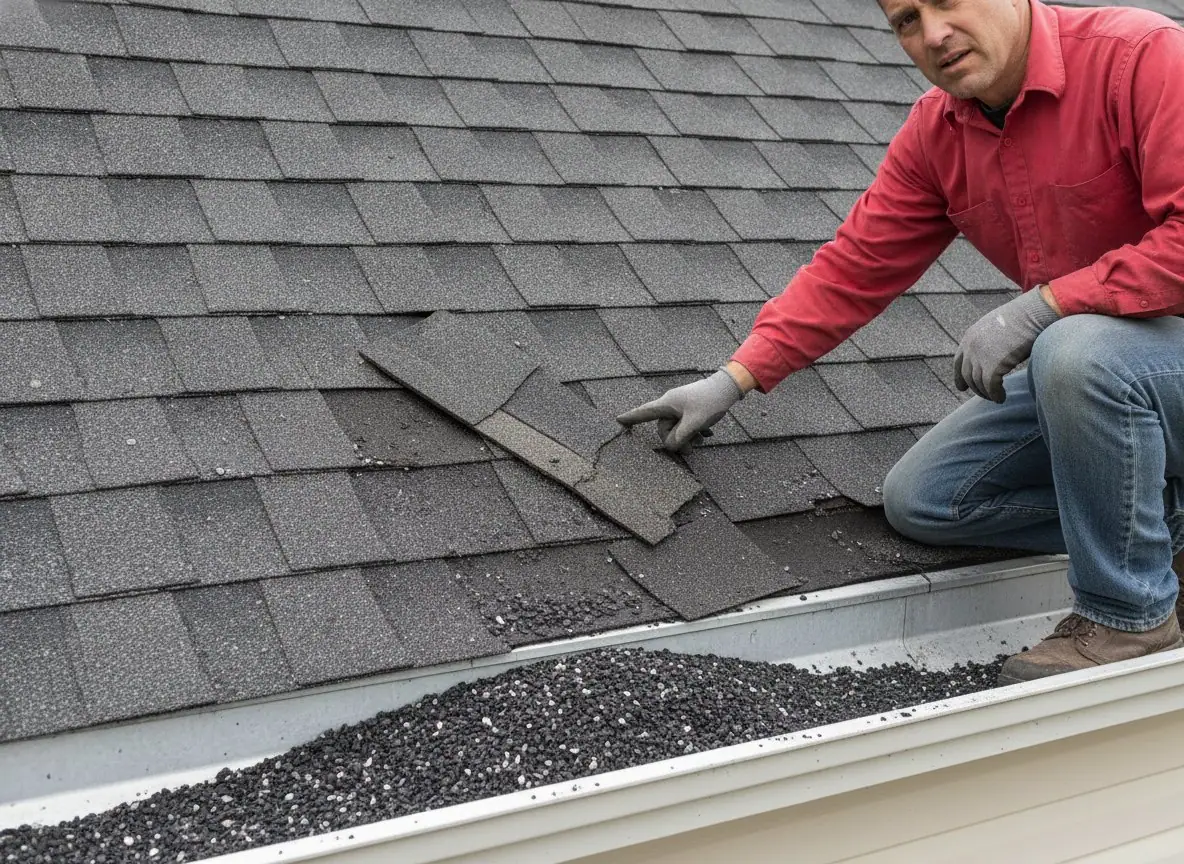
TPO Roof Installation Across Greater Boston Neighborhoods
Boston (Seaport, South Boston, Dorchester)
Boston’s urban core contains a dense mix of early 20th-century commercial buildings, post-war industrial conversions, and modern mixed-use developments. Seaport District buildings face exceptional coastal wind and salt exposure, demanding TPO systems with elevated wind uplift ratings. Dorchester’s triple-deckers and commercial blocks — many dating to the 1920s–1940s — frequently require structural deck rehabilitation before new TPO installation.
Quincy and Braintree
These South Shore communities feature significant commercial and light-industrial building stock from the 1960s–1980s, much of it with flat or low-slope roofing now reaching end of service life. Proximity to Quincy Bay creates moisture and salt exposure considerations. Many Quincy commercial plazas require large-scale TPO installations ranging from 10,000–40,000 square feet.
Newton and Brookline
These affluent inner suburbs include a mix of mid-century institutional buildings, religious facilities, and premium commercial properties. Building owners here typically specify 60-mil or 80-mil TPO systems with full adhered installation and enhanced aesthetic detailing at parapets and roof edges.
Waltham and Needham
Route 128 corridor communities host large commercial office parks and biotech facilities, many with expansive flat roofs exceeding 20,000 square feet. TPO systems in these locations often incorporate solar-ready design and enhanced HVAC curb flashing for equipment-heavy mechanical systems.
TPO Roof Maintenance Tips for Greater Boston Property Owners
A properly maintained TPO roof can deliver 20–30 years of reliable service. Given Greater Boston’s demanding climate, these maintenance practices are essential:
- Schedule biannual inspections: Inspect in late October (before winter) and again in April (after the freeze-thaw season) to catch seam issues and flashing deterioration early.
- Clear drains and scuppers before snowfall season: Blocked drainage is a leading cause of ponding water and membrane stress. Check all roof drains in September and October.
- Remove snow accumulations exceeding 6 inches: Use only soft-bristle or foam-tipped snow rakes — never metal shovels — to avoid membrane puncture.
- Inspect after every major nor’easter: Post-storm walkthroughs allow early detection of wind-lifted flashings or debris punctures before interior damage occurs.
- Keep HVAC equipment properly secured: Loose mechanical equipment is a frequent source of TPO punctures on Greater Boston commercial rooftops.
- Address ponding water promptly: Standing water exceeding 1/4 inch after 48 hours should be evaluated by a roofing professional for drainage corrections.
- Document all roof access and work: Maintain a log of any rooftop mechanical work to track potential puncture sources and maintain warranty compliance.
Learn About Our Commercial Roof Maintenance Programs
Why Choose Blue Hills Roofing Solutions for TPO Roof Installation in Greater Boston
Blue Hills Roofing Solutions is a Greater Boston roofing specialist with deep roots in the communities we serve — from Milton and Canton in the Blue Hills corridor to Boston’s urban neighborhoods and the broader metro region. We bring hands-on familiarity with the local conditions, building codes, and structural challenges that define roofing work in this market.
Our team installs TPO roofing systems in full compliance with Massachusetts State Building Code (780 CMR), NRCA installation guidelines, and manufacturer specifications to protect your warranty coverage. We serve commercial, institutional, and multi-family property owners with a full range of roofing services — including commercial roofing, professional roof inspections, roof repair, and 24/7 emergency roofing response.
Read moreShow less
We take pride in transparent communication, detailed written proposals, and workmanship that stands up to Greater Boston’s hardest seasons. When you call Blue Hills Roofing Solutions at (617) 712-2287, you speak directly with experienced roofing professionals — not a call center.
FAQ
Frequently Asked Questions: TPO Roof Installation in Greater Boston, MA
How much does TPO roof installation cost in Greater Boston?
TPO roof installation in Greater Boston typically costs between $6.00 and $16.00 per square foot installed, depending on membrane thickness, attachment method, insulation requirements, and the condition of the existing deck. A typical small commercial project of 3,000–5,000 sq ft runs $20,000–$55,000. Greater Boston pricing reflects regional labor rates, Massachusetts energy code insulation requirements, and local permitting costs. Contact us at (617) 712-2287 for a precise estimate.
How long does TPO roof installation take in Greater Boston?
Most commercial TPO installations in Greater Boston take 3–10 business days from start to completion, depending on roof size, tear-off complexity, and weather. Permitting through Boston ISD or surrounding town building departments can add 1–2 weeks to the pre-construction timeline. We schedule installations to avoid the winter and early spring periods when freeze-thaw cycles can compromise adhesive curing and membrane welding quality.
Is TPO roofing suitable for Greater Boston’s winters?
Yes — TPO is one of the best-performing roofing membranes for Greater Boston’s climate. Its thermoplastic properties allow it to flex through temperature swings from below 0°F to 90°F+ without cracking. When installed with appropriate R-value insulation per Massachusetts code, TPO systems significantly reduce ice dam formation risk and provide reliable performance through Boston’s 90+ annual freeze-thaw cycles.
Do I need a permit for TPO roof installation in Boston or surrounding towns?
Yes. Commercial roofing projects in Boston require permits from Boston’s Inspectional Services Department (ISD). Surrounding communities including Quincy, Newton, Brookline, and Waltham have their own building department permit requirements. Blue Hills Roofing Solutions handles all permitting on behalf of our clients, ensuring full code compliance with Massachusetts State Building Code 780 CMR.
How long will a TPO roof last in Greater Boston?
A properly installed and maintained TPO roof in Greater Boston can last 20–30 years. Membrane thickness matters: 60-mil and 80-mil systems consistently outperform thinner 45-mil membranes under New England’s punishing weather conditions. Biannual professional maintenance inspections and prompt repair of minor seam issues are the best way to maximize your system’s service life.
What is the difference between TPO and EPDM roofing for Boston buildings?
Both are single-ply flat roofing membranes, but they differ significantly. TPO is thermoplastic (heat-weldable seams), white or light-gray in color (energy-efficient), and more resistant to chemical exposure. EPDM is thermoset rubber, traditionally black (absorbs heat), and uses adhesive or tape seams. In Greater Boston, TPO has largely replaced EPDM for new commercial installations because of superior energy reflectivity — important for Massachusetts energy code compliance — and stronger heat-welded seam performance. Compare All Commercial Roofing Systems
Can TPO be installed over an existing roof in Greater Boston?
In many cases, yes. A TPO re-cover system can be installed over a single layer of existing roofing if the structural deck is sound and the existing membrane is properly secured. Massachusetts building code generally limits roofing to two layers before full tear-off is required. Our assessment process includes core sampling and infrared moisture scanning to determine whether your building qualifies for a cost-saving re-cover installation.
Do you serve commercial buildings outside of Boston proper?
Absolutely. Blue Hills Roofing Solutions serves commercial and multi-family properties across the full Greater Boston metro area, including Quincy, Milton, Braintree, Randolph, Dedham, Canton, Brookline, Weymouth, Needham, Norwood, Medford, Newton, Waltham, Wellesley, Watertown, Malden, Somerville, and Lynn. View All Our Service Areas
Get a Free TPO Roof Installation Quote in Greater Boston Today
If your Greater Boston commercial or multi-family property needs a new TPO roof — or if you’re not sure whether repair or full replacement is the right call — Blue Hills Roofing Solutions is here to help. Our roofing professionals provide honest assessments, detailed written proposals, and expert TPO installations engineered to handle everything New England weather can deliver.
Don’t wait for the next nor’easter or ice event to expose a failing roof. Contact us today for a no-obligation consultation and free estimate.
- Call or Text: (617) 712-2287
- Online: Request Your Free Roofing Estimate
- Emergency Roofing: 24/7 Emergency Roof Response
Blue Hills Roofing Solutions — Greater Boston’s trusted TPO roofing specialists, serving Milton, Quincy, Boston, Braintree, Randolph, Dedham, Canton, Brookline, Weymouth, Needham, Norwood, Medford, Newton, Waltham, Wellesley, Watertown, Malden, Somerville, Lynn, and surrounding communities.
Get in touch
Find roofing help near you
Request a free estimate online or give us a call — our team will follow up quickly.
- Call us(617) 712-2287
- Visit2 Granite Ave Ste 512, Milton, MA 02186
- HoursMon-Sun 7am-7pm